
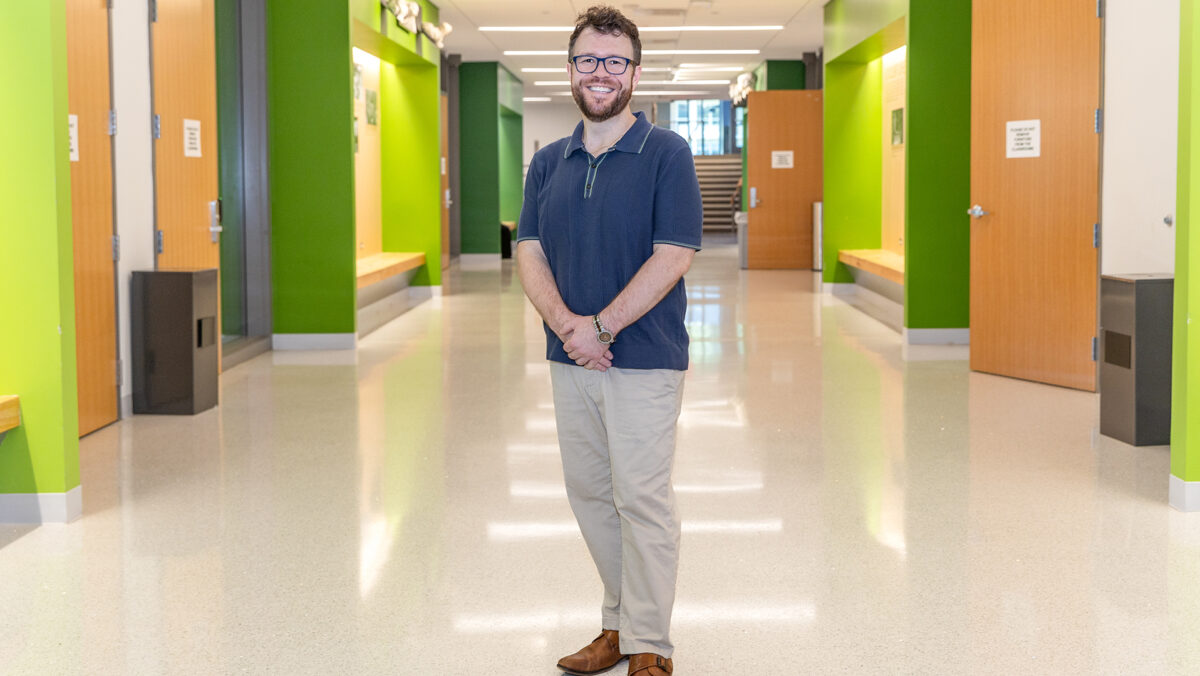
The Faculty Fellows Program provides opportunities for faculty and University Life to collaborate on projects that enrich the student experience.
By Nancy Donnelly
Partnerships and passion projects. That’s what University Life’s Faculty Fellows Program offers to faculty who take advantage of this unique opportunity to develop innovative programs and services that benefit the George Mason community.
Through the Faculty Fellows Program, Fellows collaborate with UL departments to develop projects that enhance student learning. These projects forge partnerships that connect faculty interests and expertise with divisional, departmental, institutional, and student needs. The ultimate goal is to promote the vision that Every Student Succeeds.
“Centered on increasing student engagement and overall success by bringing together the collective expertise of faculty and UL practitioners, the program has enjoyed success across a number of different domains,” said Rose Pascarell, vice president for University Life. “Through the Fellows program, we’ve seen collaborations focused on research, grant writing, policy, training, and innovative programming—all strengthening our work, broadening our impact, and ultimately benefiting our students.”
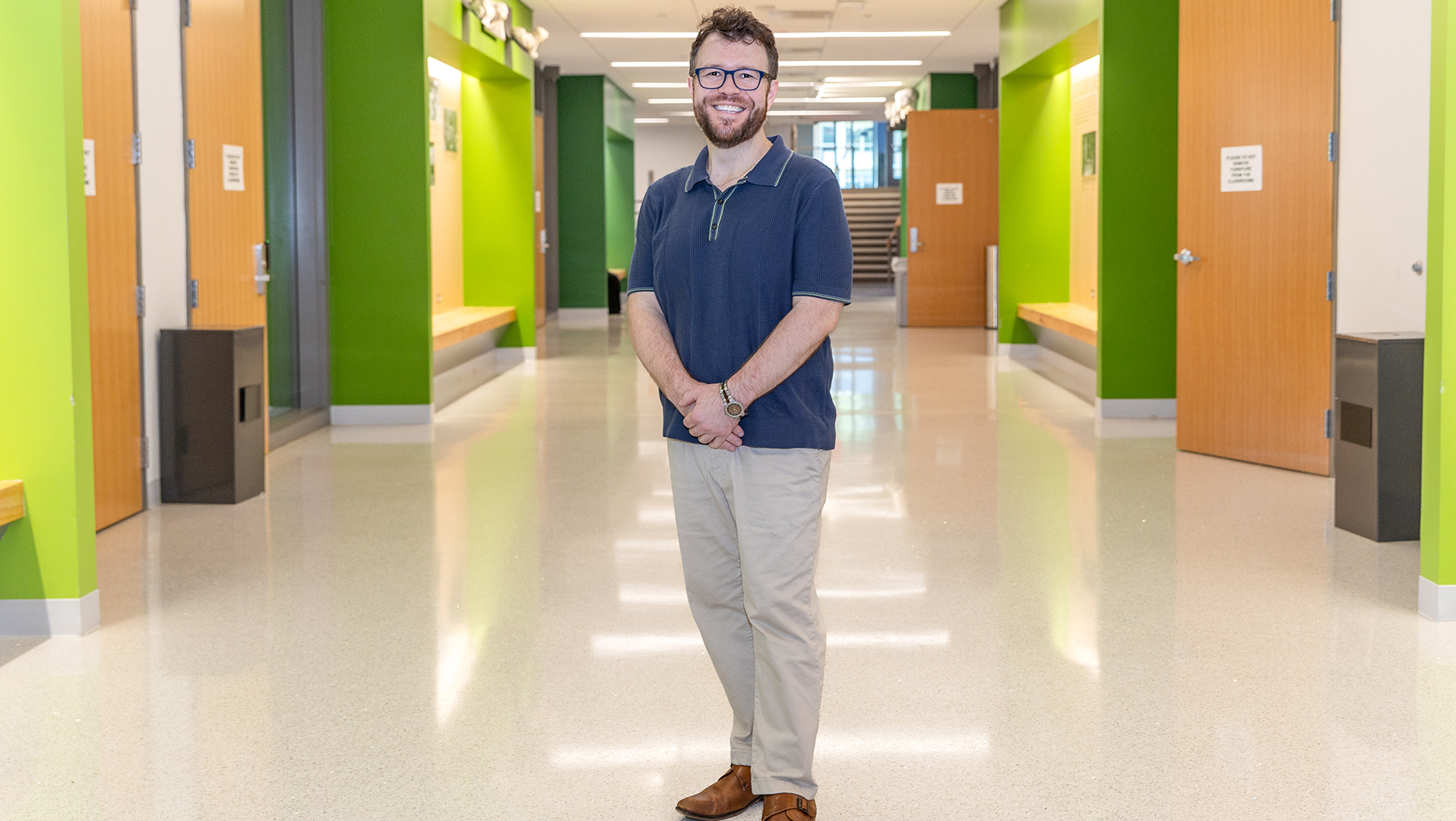
Fellows receive a $5,000 academic year stipend or a course release. In the 2024-25 academic year, nine faculty members, including Jeffrey Grim, assistant professor in the College of Humanities & Social Sciences, partnered as fellows to support and enrich the Mason student experience. Grim’s work focused on data analytics related to Pell Grant-eligible students and how George Mason can offer support to improve equitable student success. Grim worked directly with a team of University Life staff to coordinate research, data gathering, and analysis.
“I worked with Birgit Debeerst (director of UL project and process management) to coordinate data gathering. I was so amazed not only by Birgit’s work ethic and expertise, but the unique role she plays by helping make processes more efficient and effective for student success,” Grim said. “An office like the one she runs is very rare in higher education. I also had the pleasure of working with a team of researchers in University Life, including Joisanne Rodgers (director of Contemporary Student Services) and Taylor Crickenberger (assistant director for Financial Well-Being) to collect, analyze, and report on data. It reminded me how incredibly talented the staff are at their jobs and how intellectually curious they are when it comes to research.”
Grim continued, “From the data we collected, analyzed, reported, and visualized, I’m hopeful that university leadership and different departments can have a better—and real—understanding of the experiences and outcomes of low-income students at Mason. It was important to recognize that George Mason does a really good job of supporting low-income students, but there are areas that can be improved. It’s my hope leaders and practitioners will use that to alter their own programs and practices.”
Collaborations That Count
The Faculty Fellows Program offers multiple benefits to faculty, allowing them to engage with students outside the classroom, apply their skills in new ways, and enhance their ability to support students. “In this fellowship, I was able to use my knowledge and expertise on student success in higher education to create real-world practical applications—not something I get to do often,” Grim said.
For University Life, the program connects departments to networks, unique faculty perspectives, and applied programming that engages students in new ways. “Faculty members bring such tremendous value to our work, extending across our many areas of service and support,” said Lori Scher, senior assistant dean for University Life. “As we look to grow and expand the Fellows program, we are focused on enhancing existing partnerships and forging new ones so that students from across all academic disciplines will benefit from these connections, both in their engagement with University Life and in the classroom.”
Students whose professors participate in the Faculty Fellows Program benefit from seeing a more holistic approach to their Mason experience, with faculty and practitioners working together to support students’ success. Fellowship categories can be departmental, taking place in direct connection with one primary UL department; divisional, cutting across a broad range of areas in support of programs, services, or initiatives; or project based, directed toward a predetermined area of focus in support of the student experience.
Some recent fellowship examples include:
- Increasing library self-efficacy among first-generation college students through gamification.
- Integrating career development into the curriculum and fostering a culture of career readiness.
- Creating workshops on LGBTQ+ literacies and supporting cross-campus civil dialogue.
Faculty Fellows’ appointments can be completed during any combination of summer, fall, or spring terms or for the full academic year, depending on the project, interest, and availability. University Life hopes to expand the program to offer more fellowships in the future.
Nancy Donnelly is a freelance writer.